A small fire can feel manageable at first. The flames are out, and only one area may look damaged. In Mineola homes, however, the real cost often depends on what happened after the fire started: where smoke traveled, whether water spread, and which materials absorbed odor. A kitchen flare-up near older cabinets can require a different scope than a small garage fire on concrete. This guide explains the factors that influence fire damage restoration costs, how insurance fits into the process, and how a local inspection clarifies next steps.
What Counts as a Small Fire in a Mineola Home?
A small fire is usually limited to one source area, such as a stovetop, appliance, outlet, trash can, fireplace, laundry room, or garage workbench. Even when flames stay contained, smoke can move through door gaps, closets, attic access points, and HVAC returns. That is why similar-looking fire damage can need very different fire damage restoration scopes.
In Mineola, this is especially important for older wood-framed homes near historic downtown, lake-area homes around Lake Holbrook, and rural properties with attached garages or workshops. These spaces may hold porous materials, stored belongings, and finishes that absorb smoke quickly.
Why There Is No Standard Price for a Small Fire
Homeowners often ask for an exact number before an inspection. The problem is that fire damage is not priced by room size alone. The final scope depends on what must be cleaned, removed, repaired, deodorized, packed out, or rebuilt. A small cooking fire that spreads greasy smoke into cabinets may require more labor than an outlet fire on washable flooring.
Instead of guessing, Paul Davis Restoration of Northeast Texas starts with an on-site review. The team can identify the type of soot, salvageable belongings, and areas needing protection. For local homeowners searching for fire damage restoration near me, a property-specific inspection is more useful than a generic price estimate.
Fire Damage Restoration Cost Factors That Can Change the Scope
Start with the surface affected. Soot on tile, sealed counters, metal, or glass is different from soot on drywall, unfinished wood, carpet, upholstery, books, or clothing. Porous items can hold odor even after visible residue is gone, which may add steps to the fire damage restoration plan.
Next is heat exposure. If heat warped cabinets, blistered paint, cracked drywall, damaged trim, or affected electrical components, cleanup alone will not solve the problem. The estimate may need to include fire damage repair, replacement materials, and trade coordination.
Contents matter too. A Mineola kitchen fire may affect dishes, small appliances, pantry goods, curtains, and furniture in the next room. When belongings can be saved, contents cleaning can help reduce unnecessary replacement and support the insurance inventory process.
Smoke, Water, and Odor Affect Fire Damage Restoration
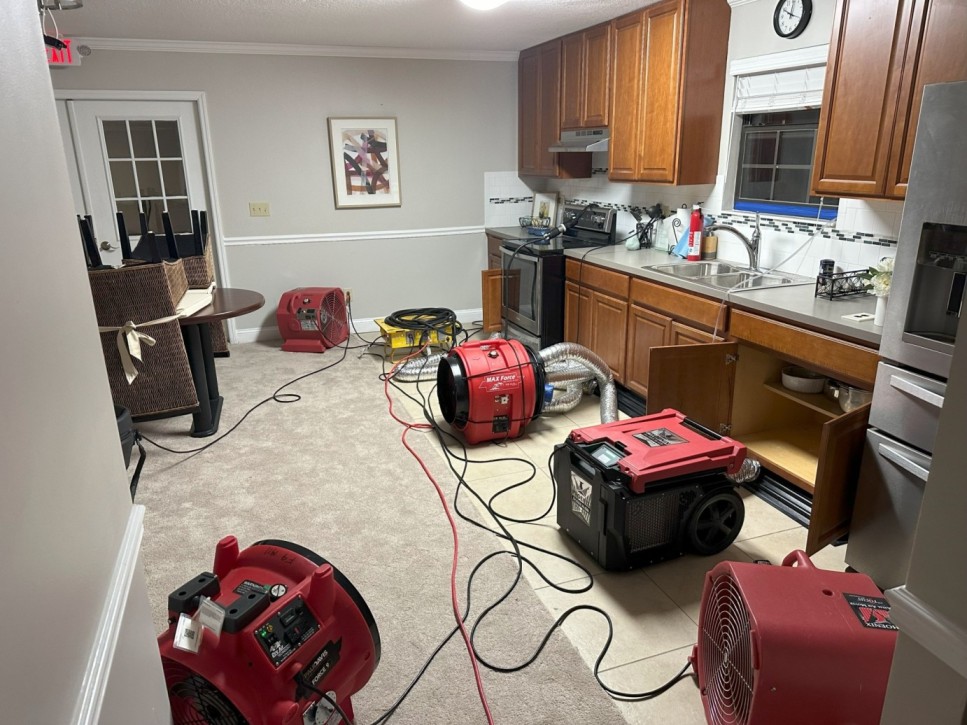
After a fire is extinguished, the home may have more than burn marks to deal with. Extinguishers can leave residue across appliances, floors, and cabinets. Firefighting water can move under baseboards, behind toe kicks, through flooring, or into ceiling cavities. When moisture is present, water damage restoration may become part of the same project.
Smoke odor is another major cost factor. It can settle into textiles, insulation, unfinished wood, and HVAC pathways. In humid East Texas weather, damp materials and smoke residue can create additional concerns if cleanup is delayed. If moisture remains hidden, mold damage services may also need to be considered. A complete fire damage restoration estimate should account for these related issues before repairs begin.
Insurance Guidance for Fire Damage Restoration
Many homeowner policies cover sudden and accidental fire damage, but every policy has its own deductible, limits, and claim requirements. Before throwing anything away, take photos of the room, damaged belongings, appliance or outlet involved, smoke staining, wet materials, and emergency work. Keep receipts for temporary housing, meals, board-up, cleaning supplies, or urgent purchases.
Paul Davis Restoration of Northeast Texas can help document the condition of the home with photos, itemized notes, moisture readings, and a scope your adjuster can review. Clear documentation matters because a small fire may include mitigation, deodorizing, contents work, fire damage cleanup, drywall, paint, flooring, cabinets, and electrical evaluation. A well-organized claim file helps your carrier understand why each part of the fire damage restoration plan is connected to the loss.
What Paul Davis Checks During Fire Damage Restoration
Paul Davis looks beyond the blackened area. They may check adjacent rooms, cabinet interiors, air returns, flooring edges, baseboards, and belongings. They can determine what can be cleaned, what should be removed, and what needs protection.
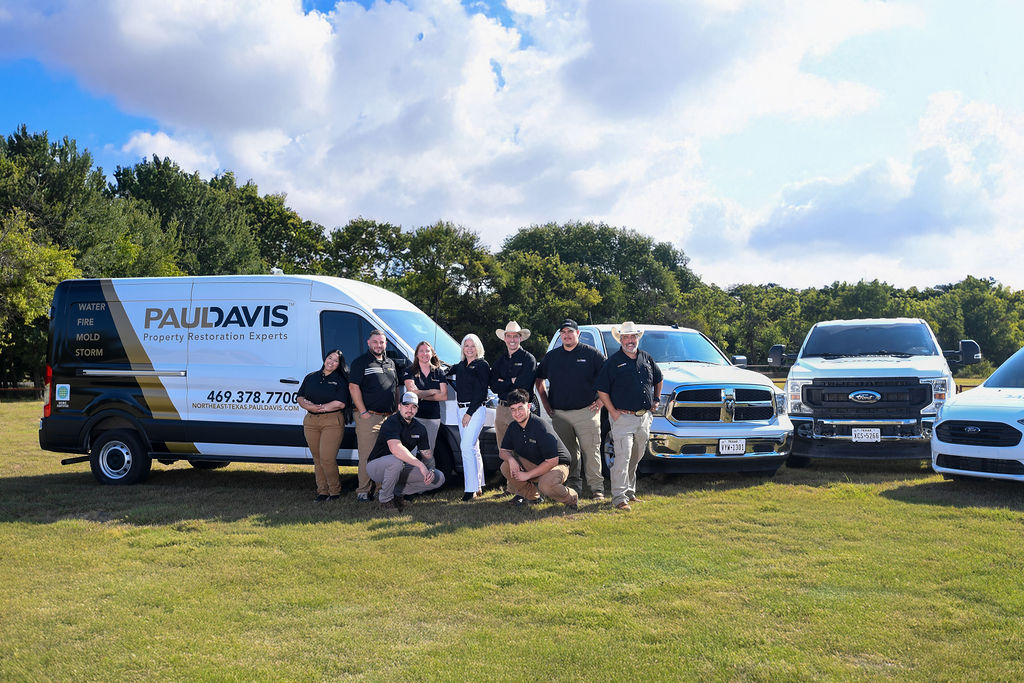
This is where a local restoration company makes a difference. Mineola homes vary from in-town houses to rural properties with additions, garages, and storage areas. Paul Davis Restoration of Northeast Texas provides emergency response, trained technicians, cleanup support, contents solutions, and repair coordination so homeowners are not managing disconnected vendors. Their fire damage restoration services are built around stabilizing the home first, then moving into cleaning, documentation, and repairs.
FAQ: Small Fire Costs in Mineola
How do I know whether the damage is small enough to handle myself?
If the fire only left a tiny mark on a nonporous surface, you may be able to wipe the area after it is safe. If there is soot, odor, extinguisher residue, wet flooring, damaged drywall, or affected belongings, professional fire damage restoration is the safer path.
Will smoke in nearby rooms increase the cost?
Yes. Smoke may require additional cleaning, deodorizing, and contents work even when flames stayed in one room. Closets, curtains, upholstered furniture, and HVAC returns should be checked before the final fire damage restoration scope is approved.
Can Paul Davis help with my insurance claim?
Paul Davis cannot decide coverage for your carrier, but the team can provide documentation, photos, moisture information when needed, and an itemized work scope. That information can help your adjuster evaluate the repair scope.
Do I need to move out after a small fire?
Not always. It depends on smoke odor, utilities, air quality, structural safety, and the work required. Ask your insurance carrier about Additional Living Expense coverage if the home is not practical to occupy.
Does Paul Davis serve towns near Mineola?
Yes. Paul Davis helps homeowners in Mineola, Quitman, and Alba. Nearby response is helpful when smoke, odor, water, and belongings need fast attention.
Call Paul Davis for a Local Mineola Estimate
You do not need a price guess. You need a clear inspection, a practical scope, and a team that understands smoke, water, odor, and repairs. Paul Davis Restoration of Northeast Texas can assess the damage, protect the home from secondary issues, coordinate cleaning and repairs, and support insurance documentation.
For help with fire damage restoration in Mineola, call Paul Davis Restoration of Northeast Texas. A small fire can become more expensive when soot, moisture, and odor sit untreated, so early action can make the restoration process cleaner, faster, and easier to document.